If you scroll through LinkedIn, remote work in Egypt looks like the ultimate dream.
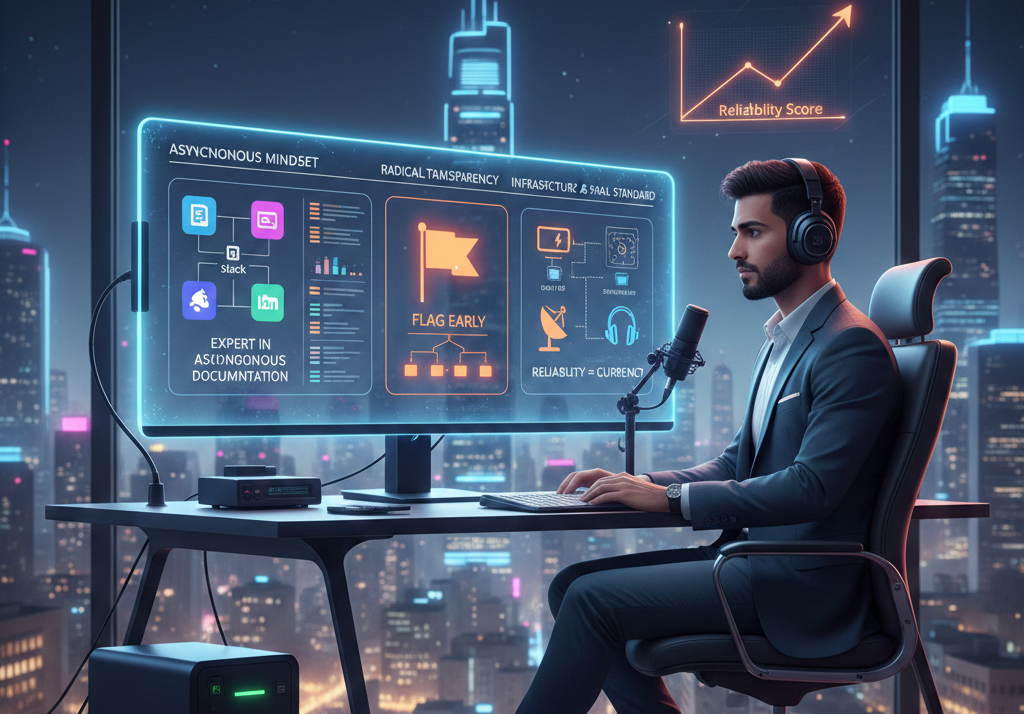
You see pictures of perfectly curated home office setups, posts bragging about “zero commute,” and the promise of earning a global salary while sitting in Cairo or Alexandria. And yes, the benefits are undeniable. We built our entire platform, EgyTalent, around the belief that Egyptian professionals deserve access to the global job market without leaving the country.
But if we only focus on the positives, we are setting ourselves up for failure.
There is a “dark side” to remote work that few people discuss openly until they are deep inside it. If you are considering leaving an office job for a remote role, or if you are already working remotely and feeling a strange sense of dissatisfaction, you need to know what you are up against.
Here is the reality check on the challenges of the remote lifestyle, and how to survive them.
1. The Deafening Silence of Isolation
In a traditional Egyptian office, there is noise. There’s chatter in the kitchenette, impromptu meetings at someone’s desk, and the shared frustration of traffic. You might find it annoying at the time, but those micro-interactions form your social scaffolding.
When you switch to remote work in Egypt, especially for an international company in a different time zone, that scaffolding vanishes.
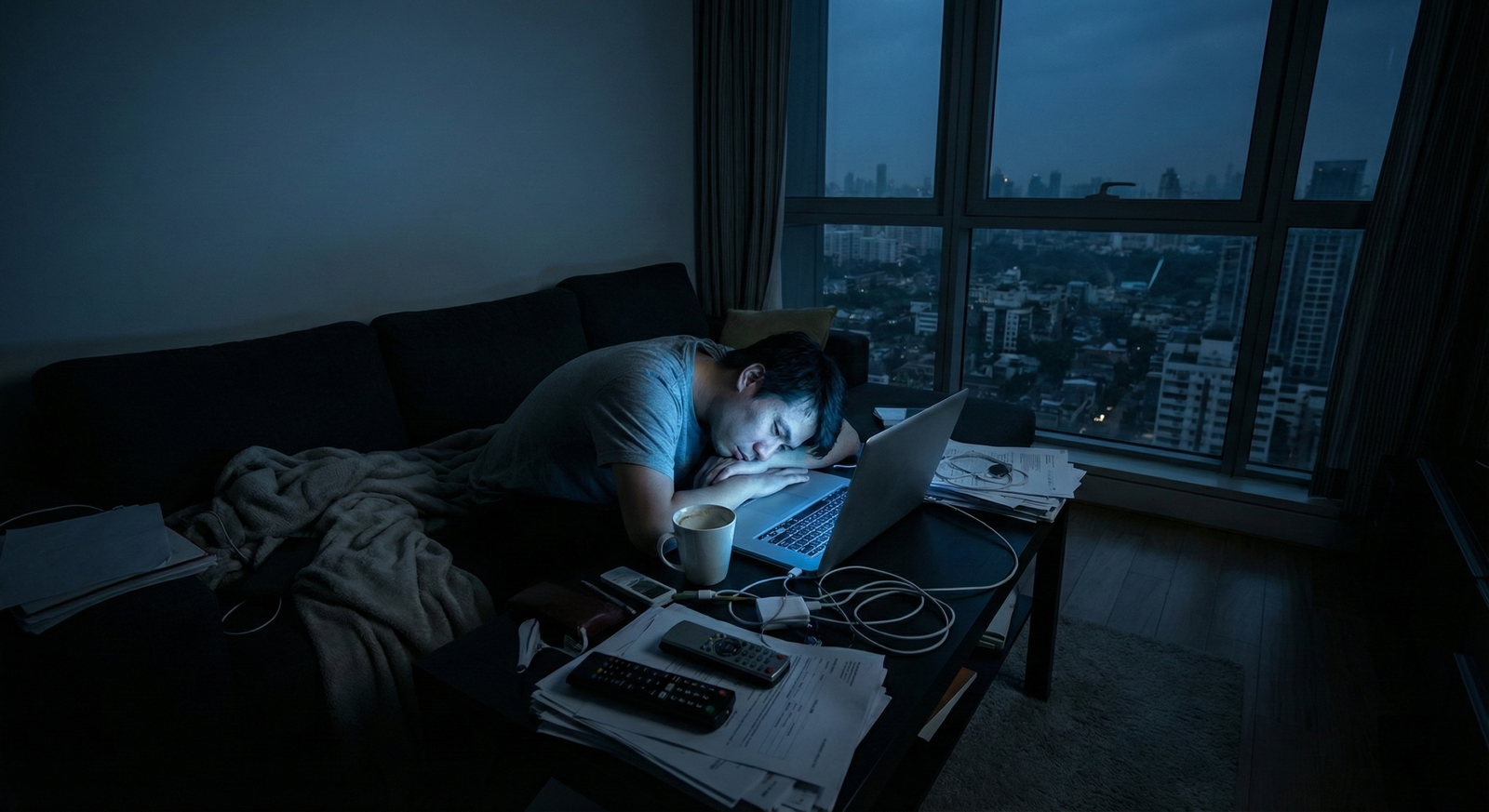
Suddenly, it’s just you and the screen. The silence can become deafening. Many remote workers report deep feelings of professional loneliness. You aren’t just missing out on office gossip; you are missing out on mentorship, incidental learning, and the sense of belonging to a “tribe.”
2. The Blur Between “Home” and “Work.”
When your office is your living room, you never truly “leave” work.
The biggest lie about remote work is that you work less. The reality is often that you work more. Without the physical act of packing up your bag and commuting home, the boundary between your professional life and your personal life dissolves.
You find yourself checking Slack at 9 PM because “the laptop is right there.” You feel guilty stepping away for lunch because your status icon turns yellow. This inability to disconnect leads to a very modern form of burnout—one that happens silently, within the comfort of your own home.
3. The “Infrastructure Anxiety” Specific to Egypt
Let’s be honest about the unique challenges of doing remote work in Egypt.
When you are working for a client in London or New York, they expect seamless connectivity. They don’t know (and sometimes don’t care) about scheduled power cuts or sudden internet instability in your neighborhood.
This creates a layer of “infrastructure anxiety” that office workers don’t have. You always have one eye on your router and the other on your laptop battery percentage. Maintaining a professional facade when your environment is fighting against you is exhausting.
The Light at the End of the Tunnel
So, should you give up on the remote dream? Absolutely not.
Remote work is the future, and Egyptian talent is perfectly positioned to capitalize on it. But to succeed, you have to stop treating it like an extended vacation and start treating it like a discipline.
Overcoming the dark side requires intentionality. You have to schedule social interaction. You have to force yourself to log off at a specific time. You need backup plans for your internet.
Most importantly, you need to find the right opportunities. Not all remote jobs are created equal. You need employers who understand remote culture and respect boundaries.
This is where we come in. At EgyTalent, we connect skilled professionals with companies looking for real talent, not just cheap labor. If you are ready for the reality of remote work, both the challenges and the massive rewards, check out our latest opportunities and build a career that lasts.